
Quick answer: Many adults with missing teeth can be considered for dental implants, but not everyone is a good candidate. The FDA says your overall health shapes whether implants are right for you, how long healing takes and how long an implant may last. Smoking, uncontrolled diabetes and untreated gum disease are all on the FDA’s list of factors linked to problems. The only way to know is an exam, with imaging, by a dentist who can look at your bone and gums.
What is a dental implant?
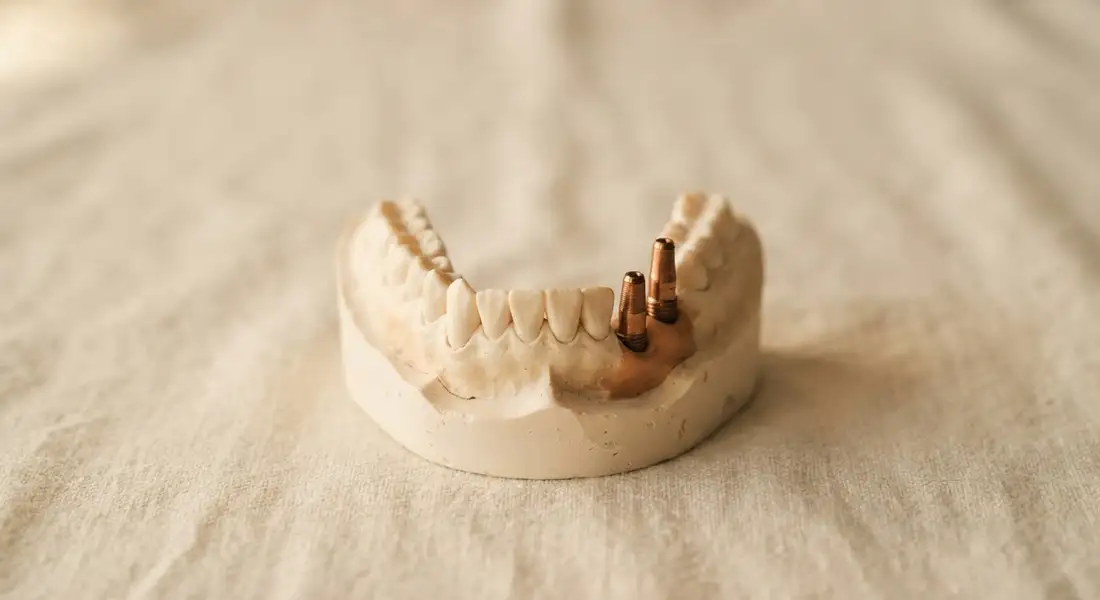
The FDA describes dental implants as medical devices surgically placed in the jaw to restore a person’s ability to chew or their appearance. An implant body goes into the jawbone in place of the tooth’s root. An abutment attaches to it and extends through the gums to support artificial teeth such as a crown, bridge or denture.
Implants can replace one tooth or many. South Seattle Smiles offers single and multiple dental implants, All-on-4 dental implants for a full arch and implant-supported dentures.
What makes someone a good candidate?
The FDA’s first recommendation is simple: before choosing dental implants, talk to your dental provider about the potential benefits and risks, and whether you are a candidate. It adds that your overall health is an important factor in three things: whether you are a good candidate, how long it will take to heal, and how long the implant may stay in place.
In practice, a dentist looks at several areas together:
- General health. Conditions that affect healing or infection risk matter. The FDA lists systemic infection, which it says may be more likely with uncontrolled diabetes, as one cause of implant failure.
- Tobacco use. The FDA says smoking may affect the healing process and decrease long-term success.
- Gum health. Untreated periodontal disease is on the FDA’s list of risks. Gum disease can spread to the bone supporting the teeth, according to NIDCR.
- Bone. The implant body sits in the jawbone, so the dentist needs to know how much bone is there and where.
- Daily care. The FDA calls regular cleaning of the implant and surrounding teeth very important for long-term success.
Which factors can be improved before treatment?
Several common concerns are not a final “no”. They are things to address first. The table below sorts some of them. It is general information, not a diagnosis.
| Factor | Why it matters | What often happens next |
|---|---|---|
| Smoking or tobacco use | FDA: may affect healing and long-term success | Talk about quitting before and after surgery |
| Diabetes | FDA: failure from infection may be more likely when diabetes is uncontrolled | Work with your physician on blood sugar control |
| Gum disease | FDA lists untreated periodontal disease as a risk | Gum treatment before implant planning |
| Limited bone | The implant body needs bone to sit in | Imaging, and sometimes bone grafting first |
| Difficulty cleaning | FDA: cleaning is very important for long-term success | Learn a home-care routine that works for you |
Dr. Timmerman’s practice notes that some patients need bone grafting or periodontal therapy before implant placement. Our article on bone loss after missing teeth explains why, and smoking, diabetes and implant healing covers those two risks.
What happens at an implant consultation?
At South Seattle Smiles, the free dental implant consultation includes a CBCT scan, an intraoral scan and a customized treatment plan. Dr. Timmerman reviews your medical and dental history and looks at the scans to check bone and anything hidden beneath the surface. He is a Fellow of the International Congress of Oral Implantologists and places implants in-house, so planning and placement happen in the same Tukwila office.
You should leave a consultation understanding which options are realistic for you, what has to happen first, and the steps and timing involved. The FDA notes that healing of the implant body may take several months or longer.
What questions should I bring?
The FDA suggests a few questions directly. Add your own:
- Am I a candidate, and if not yet, what would need to change?
- What are the benefits and risks for me specifically?
- Do I need gum treatment or bone grafting first?
- What brand and model of implant system will be used? The FDA recommends keeping this for your records.
- How long is healing, and what will I wear in the meantime?
- What home care will you want me to do afterwards?
Also tell your dentist about every medication you take, any diabetes, and any tobacco or vaping.
What are the risks I should know about?
The FDA lists possible complications, including damage to nearby natural teeth during placement, injury to surrounding tissues such as sinus perforation, jaw fracture during surgery, a bite that doesn’t feel right, a loose abutment screw, post-surgical numbness and implant failure. Complications can occur soon after placement or much later. The FDA also says that if an implant ever feels loose or painful, you should tell your dental provider right away.
That list isn’t meant to scare anyone off. It is why a careful exam and honest planning come first.
What if implants aren’t right for me now?
There are other ways to replace teeth, including bridges and dentures. See full-arch implants vs. traditional dentures for a day-to-day comparison, or tooth loss in adults for a wider view.
To find out where you stand, contact South Seattle Smiles or call (206) 241-5533. The office is at 7100 Fort Dent Way #270 in Tukwila, a short drive from Renton and South Seattle.