
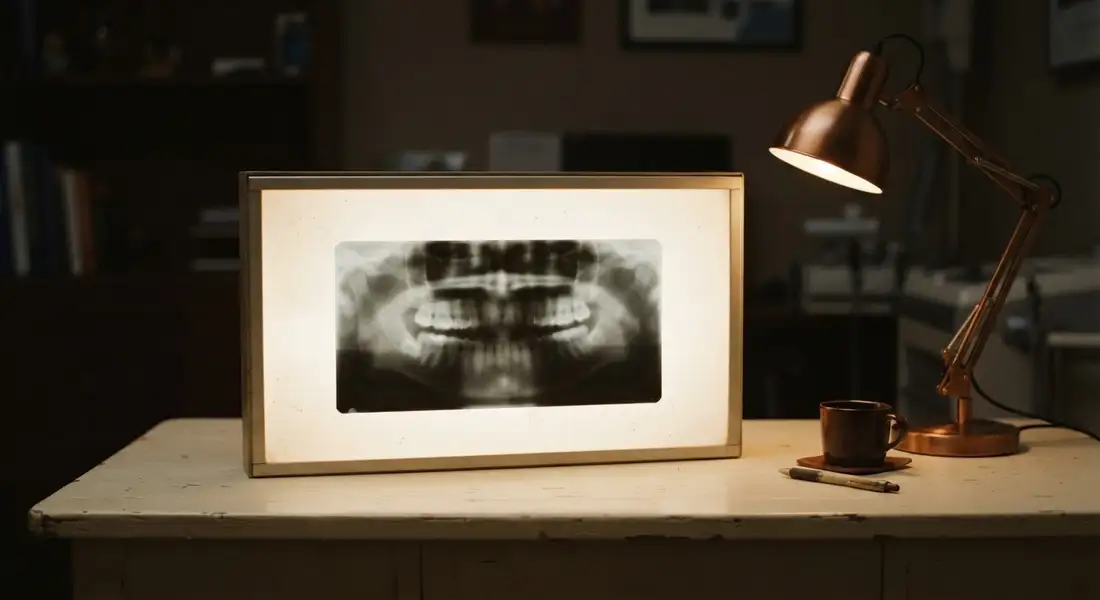
Quick answer: Your jawbone isn’t fixed. When a tooth is lost, the FDA says a person can experience rapid bone loss, and gum disease can destroy the bone that supports teeth, according to NIDCR. Bone matters for implants because the implant body sits in the jawbone in place of the root. Less bone doesn’t always mean no implant, but it can change the plan, for example by adding bone grafting first. Imaging shows where you stand.
What happens to the jaw after a tooth is lost?
The FDA’s dental implant page says that when a tooth is lost due to injury or disease, a person can experience complications such as rapid bone loss, defective speech, or changes to chewing patterns that result in discomfort.
South Seattle Smiles’ own implant page puts it this way: when the roots of missing teeth are not replaced, the jawbone begins to shrink in those areas. The FDA lists “helps keep the jawbone from shrinking due to bone loss” and “preserves the health of the surrounding bone and gums” among the benefits of dental implant systems, because the implant body replaces the root inside the bone.
Dentures sit on top of the gums rather than in the bone. MedlinePlus notes that your mouth changes over time, so dentures may need to be adjusted or replaced. Our comparison of full-arch implants vs. traditional dentures goes into the day-to-day differences.
How does gum disease affect the bone?
The National Institute of Dental and Craniofacial Research (NIDCR) describes periodontal disease as an infection that causes inflammation of the tissues that hold the teeth in place. It starts with swollen, red and bleeding gums. If left untreated, it can spread to the bones supporting the teeth. In advanced gum disease, NIDCR says, the bone supporting the teeth is destroyed, which may cause teeth to loosen and shift.
MedlinePlus says the same in simpler terms: if periodontitis isn’t treated, the bones, gums and connective tissue that support the teeth are destroyed, and in the worst cases you can lose teeth.
That’s why bone loss and tooth loss often arrive together. By the time a tooth is lost to gum disease, some of the bone around it may already be gone.
How do dentists check the bone?
NIDCR explains that an x-ray can show if there is any bone loss as a result of gum disease. A gum exam uses a small probe to measure the pockets around teeth; healthy pockets are usually between 1 and 3 millimeters, and deeper pockets can be a sign of periodontal disease.
For implant planning, a three-dimensional scan adds more detail about the height, width and position of the bone. At South Seattle Smiles, the free dental implant consultation includes a CBCT scan and an intraoral scan, and Dr. Lance Timmerman uses them to build a customized treatment plan.
Why does bone matter so much for implants?
The FDA describes the implant body as being surgically inserted in the jawbone in place of the tooth’s root. Over the healing period, which the FDA says may take several months or longer, the bone and implant need to form a stable foundation for the abutment and the teeth.
The table below shows, in general terms, how the bone situation can shape implant planning. Your own plan depends on your exam.
| Bone situation | What it can mean | Possible next step |
|---|---|---|
| Healthy bone at the site | A more straightforward implant plan | Implant placement after evaluation |
| Active gum disease | FDA lists untreated periodontal disease as a risk | Treat the gums first |
| Some bone loss in one area | The implant may need more support | Bone grafting before placement |
| Loss of most teeth in an arch | Several implants may be needed to support a full arch | A full-arch plan such as All-on-4 |
| Long-term denture wear | The ridge under the denture may have changed | Imaging to see what bone remains |
What is bone grafting?
Some patients need preparatory treatment before implant placement. South Seattle Smiles’ implant page names bone grafting and periodontal therapy as examples. A bone graft adds support where the jawbone lacks the density or volume an implant needs. Whether you need one, and how it changes your timeline, is something Dr. Timmerman explains after reviewing your scans.
Can full-arch implants work when bone is limited?
Sometimes. All-on-4 dental implants support a whole arch of teeth on a small number of implants, using angled implants. South Seattle Smiles describes the approach as a way to place fewer implants when anatomy, such as large sinuses, would otherwise call for extra surgery. It isn’t right for everyone, and the decision rests on imaging and an exam by a dentist who has examined you.
How can I protect the bone I have?
Keep your gums healthy. NIDCR’s prevention advice is to brush, clean between teeth every day, avoid tobacco and visit the dentist for check-ups and professional cleanings. Smoking is the most significant risk factor for gum disease, NIDCR says. South Seattle Smiles offers preventive dentistry for routine care. If you already have implants, see caring for dental implants.
Next step
If you’ve lost teeth, or wear dentures and wonder about implants, a scan is the clearest place to start. Read are you a candidate for dental implants?, then contact South Seattle Smiles or call (206) 241-5533 to book a consultation at the Tukwila office.