
Periodontal Gum Disease
Explore periodontal gum disease at South Seattle Smiles in Tukwila, Washington.

Gum Disease: Risks & Impact
What is Periodontal Disease?
Periodontal disease, also known as gum disease, is a chronic inflammatory condition that affects the gums and supporting structures of the teeth. It is primarily caused by bacterial infection resulting from plaque buildup on the teeth and gums. If left untreated, periodontal disease can lead to gum inflammation, gum recession, tooth loss, and potentially impact overall oral health.
Gum Disease Warning Signs
- Red, swollen, or tender gums
- Bleeding while brushing or flossing
- Receding gums
- Loose or separating teeth
- Pus between gums and teeth
- A change in bite or fit of partial dentures
Why Choose Lance Timmerman, DMD For Your Dental Implants?
Implant Placement Performed In-House
Highly Trained Dentist with 20 Years of Experience
Fellow of the International Congress of Oral Implantology
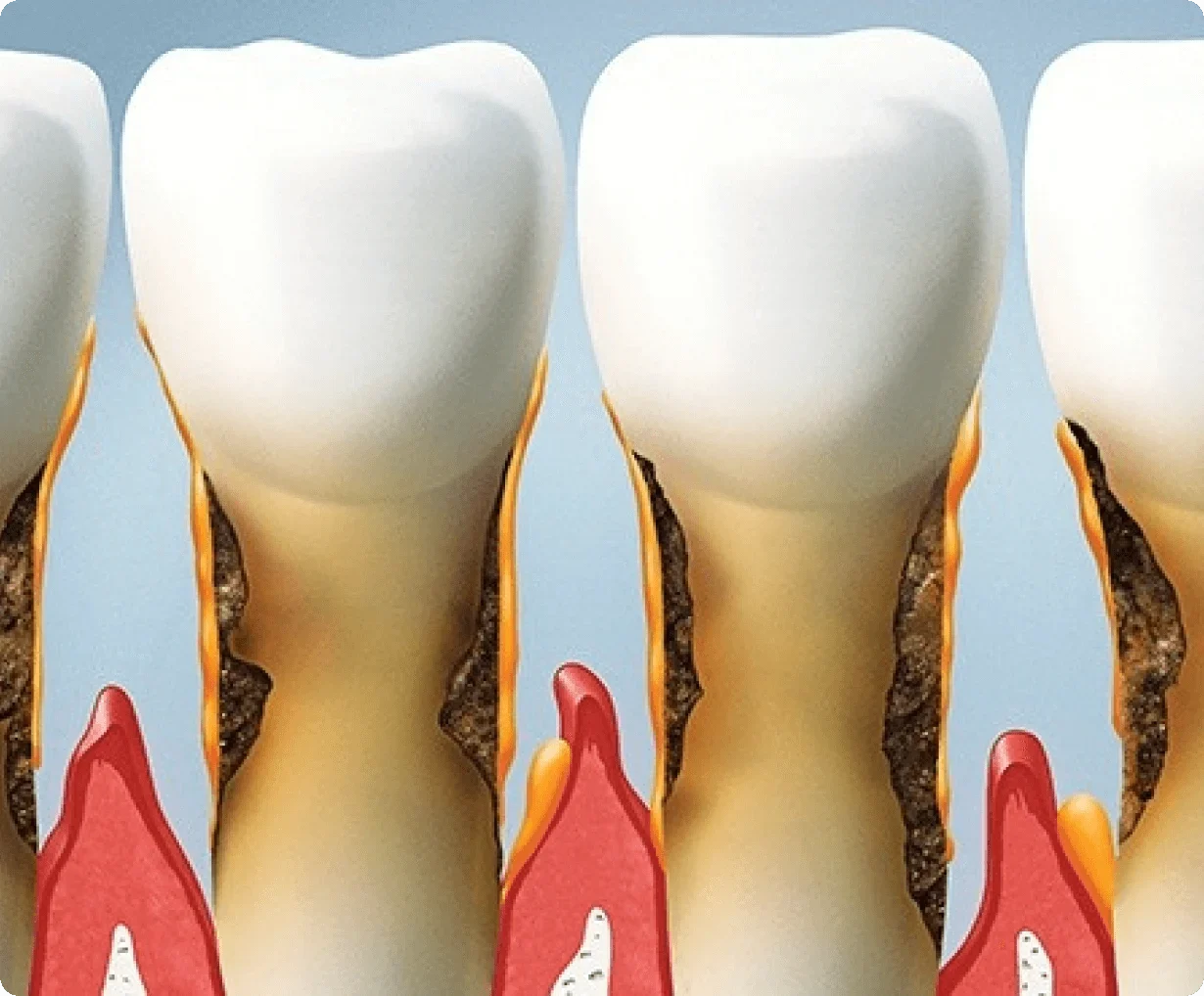
Periodontal (Gum) Disease
Dental offices use what is called a periodontal probe to measure the pockets between the teeth and gums where harmful bacteria can gather. There is ALWAYS a pocket, so there is never a depth of zero. Normal and healthy numbers are 2-3 mm, the depth that bristles of toothbrushes can completely reach to keep things clean. If a 4 is discovered, then inflammation is present, and a depth of 5 mm or more means irreversible bone loss.
Once bone is lost around a tooth, it will never come back, and our efforts will be focused on merely controlling the disease and preventing further damage.
Screening for Gum Disease
Dr. Timmerman uses all available tools to assess your gum health:
- Periodontal probe
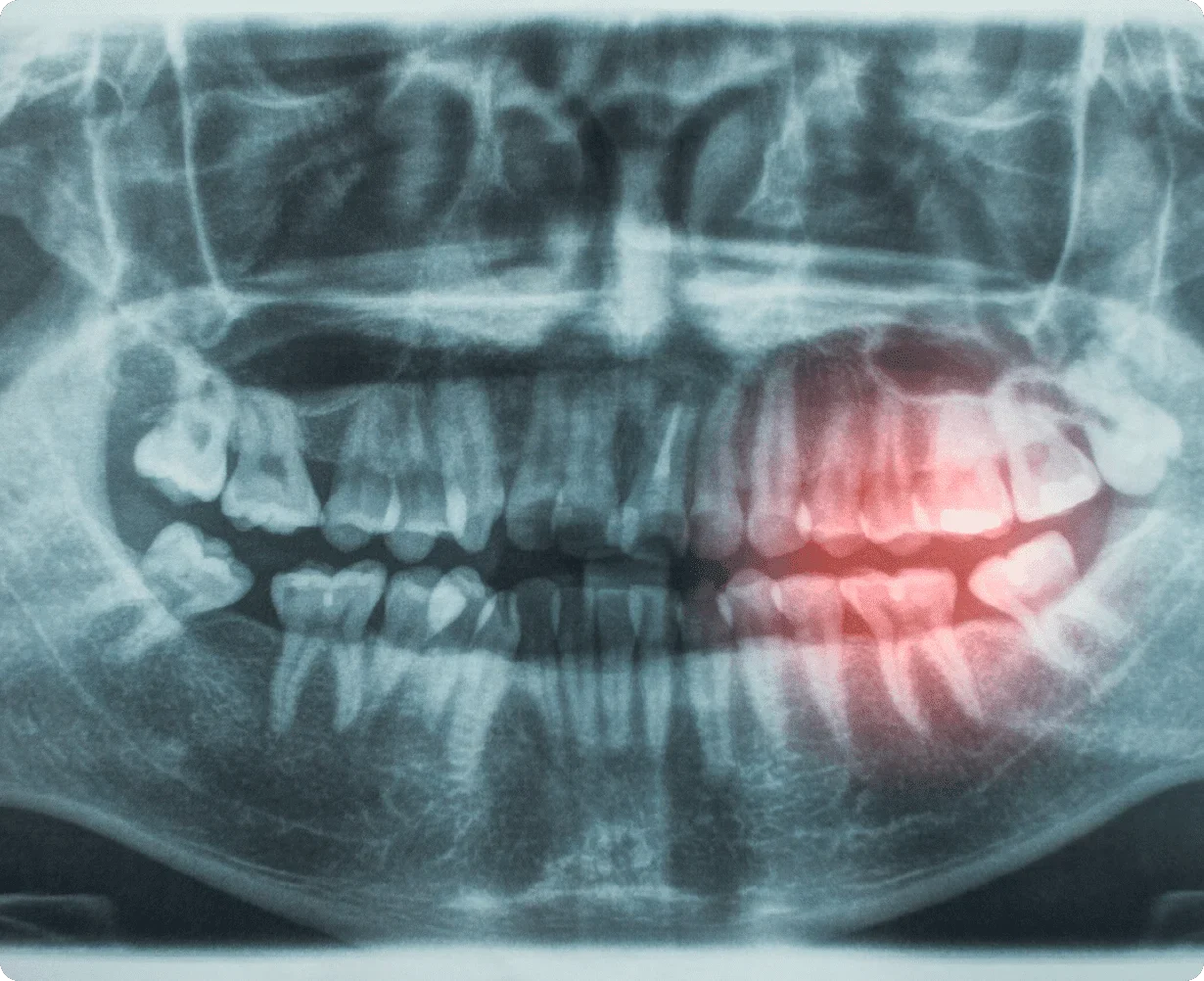
- Radiographic survey
- OralDNA tests for high risk patients
- DSLR and intraoral cameras
Only after a proper screening can a patient’s periodontal status be fully understood.
Bacterial Infection
Some people assume, and some dental offices even say, that gum disease is from not brushing or from tartar (calculus) buildup. This is not true. Periodontal disease is a bacterial infection and must be treated as such. This includes OralDNA testing to determine WHICH bacterium is present, at what levels, and which methods to treat are most appropriate.
Frequency of Treatment
It takes periodontal bacteria just 12 weeks to gather together in large enough amounts to destroy bone. If you can be seen every 3 months after being diagnosed with gum disease, you can prevent further bone loss, but more importantly, you can control the amount of bacteria present. This can literally save your life.

Get to Know Dr. Lance Timmerman
Read What Our Patients Are Saying
Due for a checkup?
Call the Tukwila office or request an appointment.
