
Dental implants in Tukwila, WA
Replace one tooth or several with implants placed and restored by Dr. Timmerman at the Tukwila office.
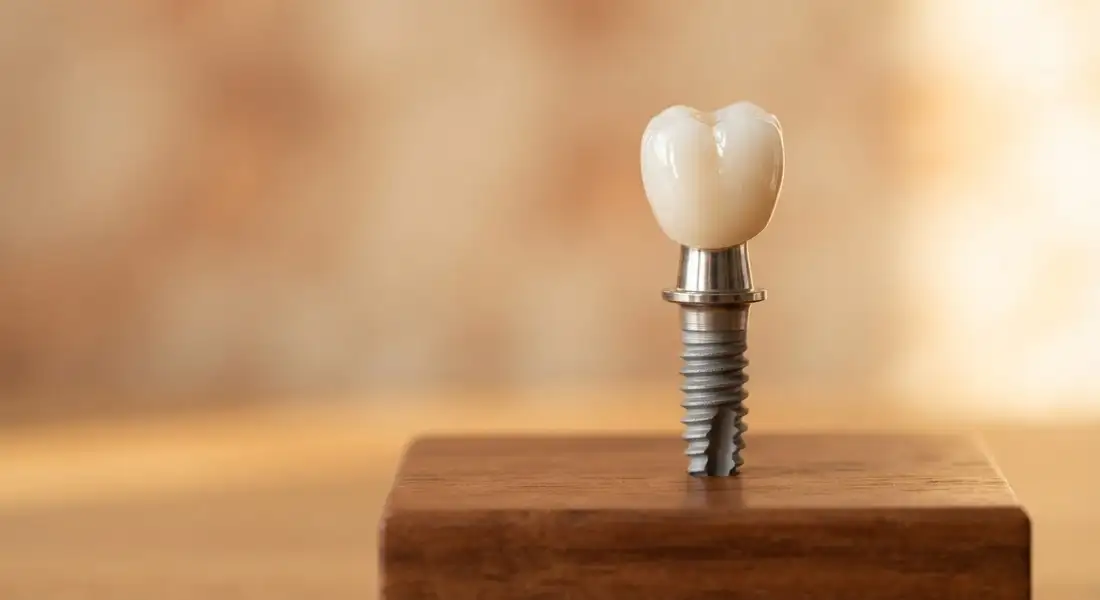
What a dental implant is
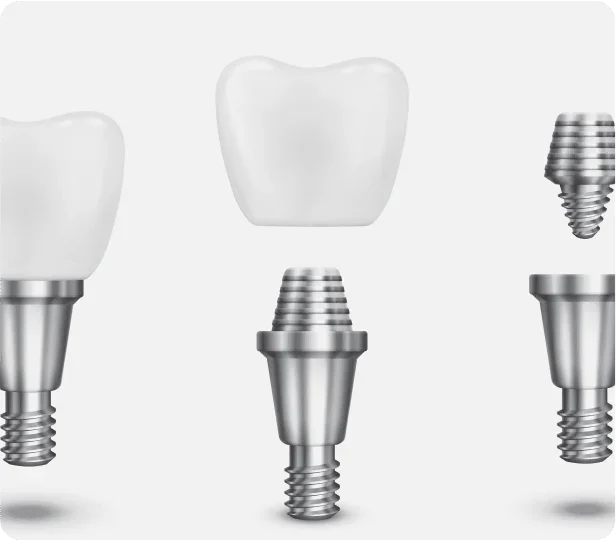
A dental implant is a titanium root placed in the jawbone. Over several months the bone grows and attaches to it, a process called osseointegration. An abutment then connects the implant to a crown, bridge or denture. Because it replaces the root as well as the visible tooth, an implant doesn't rely on the neighboring teeth for support.
Options by how many teeth are missing
| Situation | Usual implant option |
|---|---|
| One missing tooth | One implant with a crown |
| Several missing teeth | An implant bridge or implant partial denture held by a few implants |
| All teeth in an arch | All-on-4 , a full implant bridge or implant-supported dentures |
The dental implant process
- Consultation. The free dental implant consultation includes a CBCT scan, an intraoral scan and a customized treatment plan. Mention it when you call.
- Preparation. Some patients need bone grafting or gum treatment first.
- Placement. Dr. Timmerman places the implant under local anesthetic, with sedation available.
- Healing. Typically 3 to 6 months while the implant fuses with the bone.
- Abutment and final tooth. The office's partner lab makes the crown, bridge or denture, and Dr. Timmerman places it.
Most people with missing teeth and good oral and general health are candidates, but the consultation decides. Read are you a candidate for dental implants? and tooth loss in adults .
Why patients choose Dr. Timmerman for implants
- Implant placement performed in-house
- Fellow of the International Congress of Oral Implantologists
- Over 20 years of dentistry experience
After struggling to find someone who could help me with my dental implant, I was finally seen at South Seattle Smiles. The supportive and caring staff made all the difference.
Google review, June 2026
Looking after an implant
Brush twice a day, floss daily and keep regular checkups. Smoking slows healing and raises the risk of gum disease, which can cause an implant to fail. If you grind your teeth, ask about a nightguard. More in caring for dental implants .
Where the office is
South Seattle Smiles is at 7100 Fort Dent Way #270 in Tukwila, near Starfire Sports and a short drive from I-5 and I-405. Patients come from Tukwila , Renton and South Seattle . Hours and directions are on the Contact page .
More from South Seattle Smiles
Can dental implants work for you? · Request the implant pricing and information guide
What Are Dental Implants?
Dental implants for Tukwila, WA dentistry patients are replacement teeth mounted on artificial dental roots. Each root is comprised of titanium, which encourages new bone formation within the jaw and added stability. Titanium is used in surgical procedures like joint replacement because of its extreme biocompatibility with the human body.
Dr. Timmerman always places implant roots into the area of the highest bone quality, which produces extremely predictable results for his patients.
The design of implants allows Dr. Timmerman to replace an entire tooth, or even all of the teeth, with something that is the next best thing to a natural tooth. In fact, implant roots are even stronger than real ones!
Patient Testimonials Shine
Our Patients Tell The Story Best
Experience the power of our patients’ stories firsthand through our compelling video testimonials. Listen as they share their personal journeys, highlighting the exceptional care they received and the life-changing results they achieved. Let their words inspire and guide you on your own path towards optimal health and wellness.
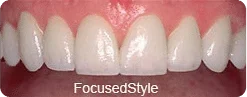
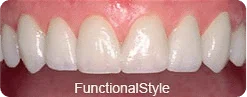
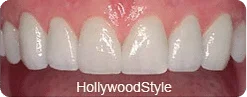
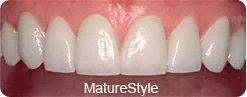
Find Your Perfect Style
Incredible results and inspiring journeys; see some of our patients’ before and after photos the next time you visit our practice.
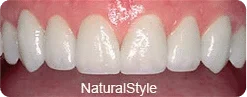
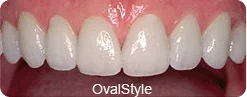
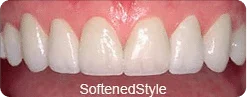
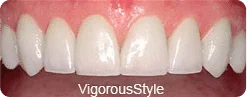
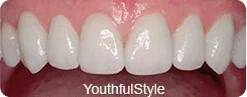
Your new smile is only a few clicks away.
The Dental Implant Process
When it comes to replacing missing teeth, no solution is nearly as comprehensive as dental implants. They replicate the entire structure of the lost tooth, including the root portion that stays hidden underneath the gumline. In order to receive implants, you’ll undergo a multi-step process that can take several months to complete.
Initial Consultation
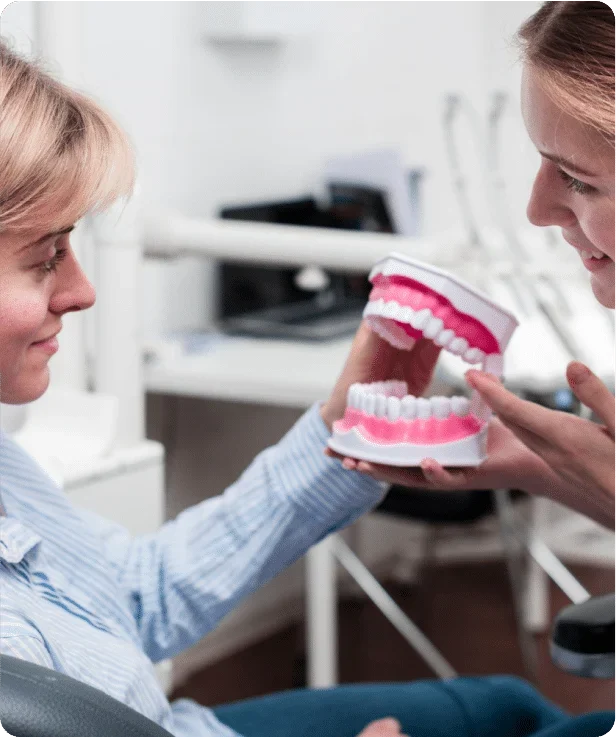
The majority of patients with missing teeth who have good oral and general health are candidates for dental implants, but you’ll still need to undergo a consultation with Dr. Lance Timmerman to ensure they’re the right treatment for you. In addition to discussing your medical and oral history, he’ll take detailed X-rays and scans of your mouth to check for any issues that might be hidden beneath the surface.
Depending on what he finds, you might need additional preparatory treatments before your implant placement, such as bone grafting or periodontal therapy.
Dental Implant Surgery
Once you’ve gotten any preliminary treatments squared away, you can schedule your dental implant placement surgery. As a Fellow of the International Congress of Oral Implantologists, Dr. Timmerman is qualified to place implants himself without having to refer you to an outside specialist.
Local anesthetic and possibly sedation is used to ensure your comfort as your gum tissue is opened up to access your jawbone. Small holes are created in the bone, into which the implants are directly placed. Your gum tissue is then closed, and the healing process begins.
Osseointegration & Abutment Placement
Over the next few months, osseointegration will occur. This is the remarkable process by which the titanium implants permanently fuse to your jawbone until they basically become a part of your body. Osseointegration creates a stable foundation for your future restorations while allowing the implants to stay in place for decades as long as you take proper care of your oral hygiene.
After the bone has healed, you’ll return to our office for another minor surgery to place the abutments. Abutments are tiny metal connectors that allow us to anchor your restorations to your implants. During this procedure, we open your gum tissue to expose the top of the implants and secure the abutments onto them. Your gums should heal in just a couple of weeks.
Delivery of Final Restoration
While you’re recovering from the abutment placement, our partnered dental lab is hard at work crafting the crown, bridge, or denture that will be placed atop your implants. These restorations are made from durable material and will resemble the size, shape, and color of your natural teeth.
Once Dr. Timmerman places your new teeth, you’ll be able to smile with complete confidence knowing they’ll look just like the pearly whites you were born with. You’ll also be able to enjoy a wide variety of chewy or crunchy foods with ease.
Benefits of Dental Implants
Are gaps in your grin due to missing teeth wrecking your self-esteem? Are you fed up with a denture that keeps slipping out of place when you’re just trying to eat or talk? If so, it may be time to invest in dental implants. These biocompatible titanium posts are often considered the gold standard when it comes to replacing missing teeth.
Look and Feel Your Best
Traditional methods of tooth replacement only replicate the portion of your tooth that’s visible in your smile. Dental implants, on the other hand, replace the tooth’s root beneath the gum line. After a few months, the post fuses to your jawbone, essentially becoming a part of you. As a result, it will feel like one of the pearly whites you were born with. Once your implant is topped with a custom restoration, it will look like a natural part of your smile!


Enjoy All Your Favorite Foods Again
Ill-fitting dentures can slide around when you’re eating and make it more difficult to chew hearty foods. While conventional dentures only restore 20 percent of your original biting function, an implant-supported denture can renew 70 percent or more of your chewing force. You’ll be able to enjoy all your favorite foods as well as a healthy diet of crunchy vegetables and chewy meats.
Care for Your New Smile Easily
Once your implant restorations have been placed, simply brush them the same way you would brush your natural teeth. Flossing around your restoration may be slightly more complicated, but we can walk you through the steps required to keep your new smile healthy and clean. In many cases, an air or water flosser can greatly help.


Stay Looking Young
When the roots of missing teeth are not replaced with implants, your jawbone begins to shrink in those areas. Because of this, your facial muscles lose some of their support and start prematurely wrinkling and sagging, making you appear older than you are. With dental implants, though, you can maintain a youthful appearance for years to come.
Maintain a Healthy Smile for Decades
Once your implant restorations have been placed, simply brush them the same way you would brush your natural teeth. Flossing around your restoration may be slightly more complicated, but we can walk you through the steps required to keep your new smile healthy and clean. In many cases, an air or water flosser can greatly help.


What Are Zygomatic Implants?
Zygomatic implants are longer than traditional implants and are anchored in the dense bone of the cheekbone (zygoma) instead of the jawbone. This allows for the successful placement of dental implants even when a patient has significant bone loss in the upper jaw.Zygomatic implants are typically recommended for patients who have been told that they are not candidates for traditional dental implants due to bone loss in the upper jaw. However, they are a more complex and invasive procedure than traditional dental implants and require specialized training and expertise to place. As with any dental procedure, the success of zygomatic implants depends on a variety of factors, including the patient’s overall health and oral hygiene habits.
What Are The Benefits Of Zygomatic Implants?
Zygomatic implants are a type of dental implant that can be used in patients with severe bone loss in the upper jaw, where traditional dental implants cannot be placed. Here are some of the benefits of zygomatic implants
- No need for bone grafting: Patients with severe bone loss in the upper jaw often require bone grafting before traditional dental implants can be placed. However, with zygomatic implants, bone grafting is not needed, as the implants are anchored in the dense bone of the cheekbone.
- Shorter treatment time: Zygomatic implants can often be placed in a single procedure, which means a shorter treatment time compared to traditional implants.
- Improved quality of life: Zygomatic implants can provide a permanent solution for patients with missing teeth, improving their ability to chew and speak properly. This can lead to an overall improvement in quality of life.
- Reduced risk of implant failure: Zygomatic implants have a high success rate, as they are anchored in the dense cheekbone rather than the weaker upper jawbone.
- Avoidance of sinus lift: In traditional implant procedures, a sinus lift may be required to create more space for the implant. With zygomatic implants, this procedure can be avoided, as the implant is anchored in the cheekbone.
In summary, zygomatic implants offer a solution for patients with severe bone loss in the upper jaw, avoiding the need for bone grafting and reducing treatment time. They have a high success rate and can provide an improvement in quality of life for patients with missing teeth.
Why Choose Lance Timmerman, DMD For Your Dental Implants?

Implant Placement Performed In-House
Highly Trained Dentist with 20 Years of Experience
Fellow of the International Congress of Oral Implantology
Who Dental Implants Can Help
Implants can be used to replace one or all of a patient’s teeth. From single dental crowns to dental bridges, or even a full mouth denture, implants provide the security of brand new teeth. They’re the most natural treatment option you’ll ever find! Single implants can support crowns, or 2 implants can support either end of a permanent fixed bridge. If implant dentures are your goal, just 2-4 implant roots can provide the stability that you’d expect from a mouthful of real teeth – implants are that strong!
Missing One Tooth
To replace one tooth, we’ll put one titanium post into the empty socket and jawbone. Over the course of several months, the bone will grow and attach to the post, and the gum tissues will heal around it. When this process is complete, an abutment is positioned, and then finally, we attach a dental crown.
Missing Multiple Teeth
Depending on the number and location of your missing teeth, we can use an implant bridge or an implant partial denture. In both cases, the restorations rely on just a few implants for stability instead of your remaining teeth, helping to keep them healthier for longer.
Missing All Teeth
Even if you have no teeth left at all, dental implants can help! Full dentures can be affixed to dental implants, providing significantly more security than traditional dentures. In fact, you won’t ever have to worry about your replacement slipping whenever you bite, chew, speak, laugh, or smile.
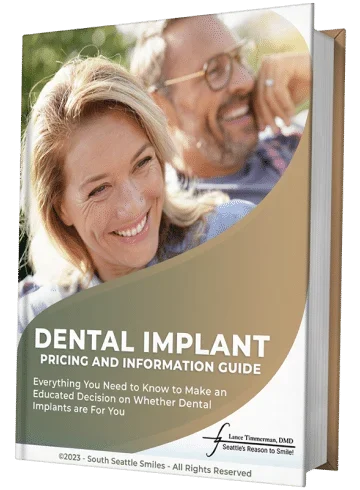

The Guide Will Show You
- Factors That Affect Eligibility
- Dental Implant Options
- Average Pricing
- And More!
Download our Dental Implant Pricing & Information Guide
Fill out the form below and we will email/text you the guide along with a $350 savings offer!

Understanding the Cost of Dental Implants
Dental implant costs can vary. Probably the biggest concern our patients have about dental implants is the cost. Investing in a permanent tooth replacement option can be more expensive than other types of restorative treatment upfront, but in many cases, implants actually help patients save money in the long run. Below, we’ll discuss factors that contribute to the cost of dental implants, why they are worth the investment, and how you may be able to afford them.
Types of Dental Implants
One of the biggest factors that contributes to dental implant cost is the exact nature of your procedure. Every patient is a little different. It stands to reason that if you just require a single dental implant with a single crown, you will pay less than someone who is looking to replace an entire arch of missing teeth.
In some cases, a patient might be a viable candidate for more than one implant procedure. For example, you might be able to choose All-on-4 dental implants or a traditional full, implant bridge to replace an arch of lost teeth. Our team will candidly disclose the costs associated with each of your treatment options.
What Are the Stages of Dental Implant Treatment?
Dental implant treatment has several stages:
- Consultation and treatment planning. Timmerman will determine if you are a candidate for implants and design a treatment plan for you.
- Some patients require a bone graft or gum disease treatment before they are eligible to receive dental implants.
- Implant placement. The implants get inserted into your jawbone at precise locations.
- A crown, bridge, or denture is placed on top of your implants.
You only have to pay for each stage of treatment as it occurs, and they usually take place weeks or months apart. You will therefore have time to plan your budget for each step of your tooth replacement journey.
Are Dental Implants Worth the Investment?
In a word, yes. Dental implants are worth the investment because they provide so many benefits, including a strong bite force, outstanding aesthetics, and bone health benefits. They also last longer than alternative options. In fact, their ability to stand the test of time may make them a better long-term value than prosthetics with a lower upfront cost that need to be replaced every few years.


Does My Dental Insurance Cover Dental Implants?
You will need to check the details of your policy to find out whether it covers dental implants. Even if it does not cover the implants themselves, it might cover your restoration or a portion of your preparatory treatment. Also, keep in mind that if your insurance does not cover a large portion of the cost of dental implants, you may be able to take advantage of low-interest financing.
Maintaining & Caring for Your Dental Implants
One of the most popular benefits of dental implants is their potential to last for decades. In fact, they can easily keep your new smile fully functional and beautiful for a lifetime! That is, of course, as long as you take care of them properly. While dental implants boast an incredible success rate of over 98%, their lifespan will rely heavily on how well you care for them. Thankfully, there are a few easy precautions to take and habits to practice that can protect your dental implant for decades to come.
Make Oral Hygiene a Priority
No matter how many teeth you’ve had replaced by dental implants, it’s essential that you practice great oral hygiene. While you won’t have to worry about your new tooth developing a cavity, a buildup of plaque and bacteria can cause infections in the gums that eventually damage the supportive tissues that help hold it in place. Thankfully, you can easily keep your smile healthy and your dental implant firmly in place by:
- Brushing your teeth for two minutes twice a day
- Flossing between all your teeth on a daily basis
- Rinsing with an antibacterial mouthwash regularly


Eat a Healthy Diet
Since dental implants can help you regain 75% or more of your natural biting power, they can help you enjoy a full, nutritious diet of all your favorite foods! However, there are still some foods you should watch out for. Overindulging in particularly hard foods such as hard candies or nuts can wear down the restoration on top of your dental implant and chip it. Additionally, you should refrain from eating too many sugary treats. Not only will this benefit your overall health, but it will help lower your risk of gum disease, which can cause your dental implant to fail.
Break Bad Habits
No matter how many teeth you’ve had replaced by dental implants, it’s essential that you practice great oral hygiene. While you won’t have to worry about your new tooth developing a cavity, a buildup of plaque and bacteria can cause infections in the gums that eventually damage the supportive tissues that help hold it in place. Thankfully, you can easily keep your smile healthy and your dental implant firmly in place by:
- Smoking or chewing tobacco: Tobacco products are bad for you in a number of ways, one of which is threatening the success of your dental implant. Smoking or chewing tobacco slows down your natural healing process, which could prevent your dental implant from fusing with your jawbone. Additionally, smokers are much more likely to develop gum disease, which can easily cause your dental implant to fail.
- Chewing on hard objects: Do you chew on a pen cap or pencil at work? Do you like to chew on ice when you’re bored? Do you find yourself chewing on your fingernails when you’re anxious? Chewing on these hard objects weakens your dental implant and can damage the restoration.
- Using your teeth as tools: It may seem convenient to open that bag of chips, birthday package, or long-awaited piece of mail with your teeth. However, one wrong move could significantly damage your dental implant or even shove it out of place! Always keep tools like scissors somewhere easy to reach so you won’t be tempted to use your teeth instead.

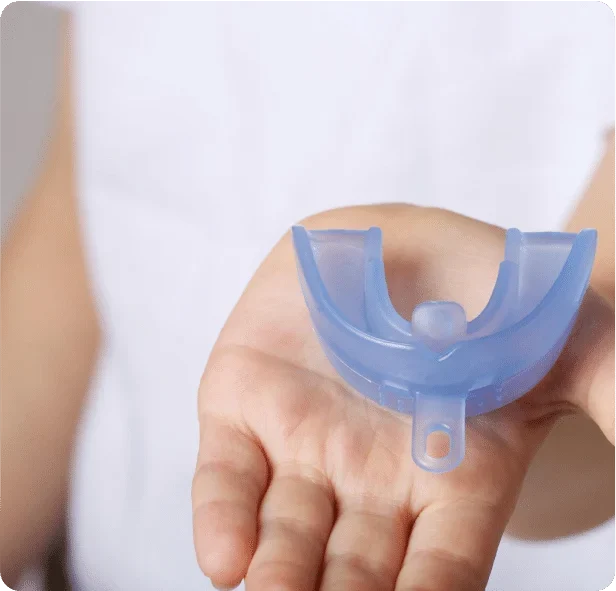
Protect Your Dental Implants
Dental implants are crafted from high-quality dental ceramic and titanium, which are well known for being durable and strong. However, dental implants are not invincible. A sports-related injury, such as a blow to the face or a fall, could break the restoration or even potentially knock the implant post loose. If you like to play sports, we can help you protect your newly rebuilt smile with a custom-made sports mouthguard.
You should also take extra steps to protect your dental implant if you grind your teeth in your sleep, which is a condition called bruxism. The excess pressure caused by habitually grinding or clenching your teeth can damage your replacement tooth or possibly cause the implant post to come loose. If you have bruxism, a custom nightguard can help protect your smile while you sleep.
Schedule Regular Dental Checkups
No matter how many natural teeth you have left, you should still visit your Tukwila implant dentist twice a year for routine checkups and cleanings. This gives us a chance to clean and inspect your teeth and dental implant. If we spot any warning signs of issues like damage or infection, we can treat them right away before they become larger, more complicated problems in the future. In fact, the main goal of biannual dental checkups is to prevent any issues from developing in the first place!
Get to Know Dr. Lance Timmerman
Read What Our Patients Are Saying
Frequently asked questions
The procedure is done under local anesthetic, and sedation is available. Afterward, discomfort is usually managed with prescribed or over-the-counter pain relievers.
Many patients feel well enough after a simple case, such as a single implant. For more complex surgery, a couple of days off is often recommended.
If the jawbone doesn't have enough density or volume to hold an implant, a graft may be needed first.
Still have questions?
Call the Tukwila office and ask the front desk.
Missing a tooth?
Book a free dental implant consultation at the Tukwila office.
